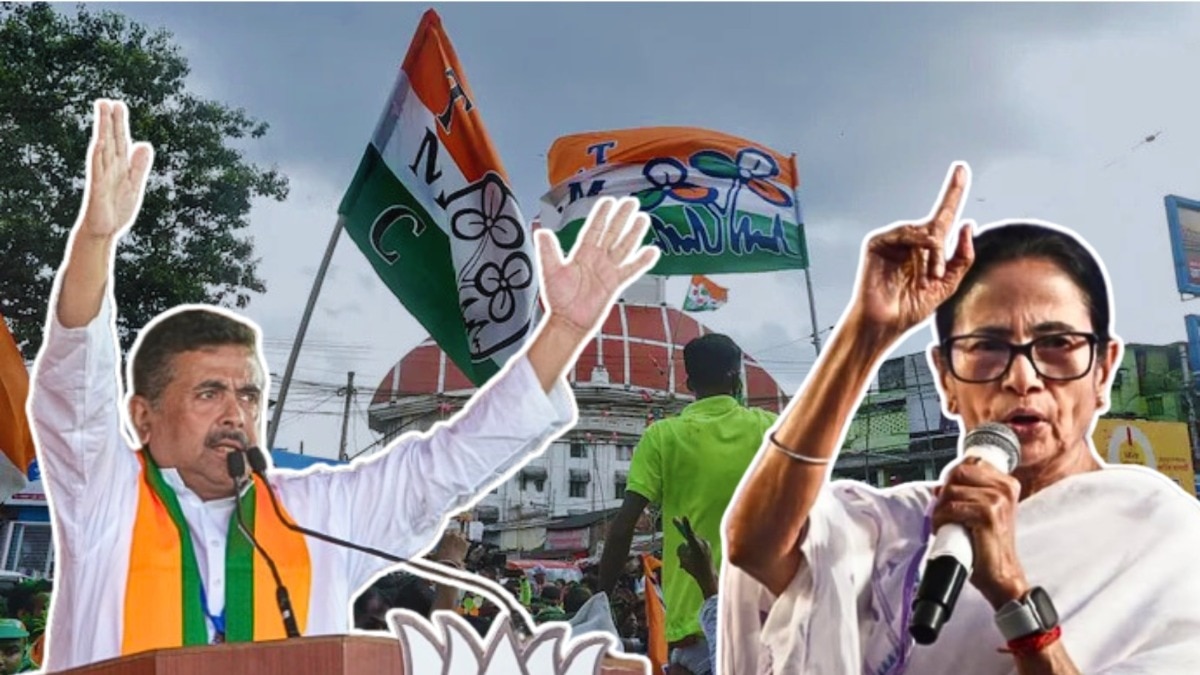


In April, while campaigning ahead of the second phase of polling in Bengal, Union Home Minister Amit Shah made a striking promise. “On May 4, as soon as a BJP government is formed, the people of Bengal will be freed from the ‘Bhaipo (nephew) tax’,” he said. For years, the term evoked a sense of fear and frustration among truck drivers and transporters entering Bengal from neighbouring states. This roadside extortion through illegal checkpoints had become routine on highways during the TMC rule. On Wednesday, keeping true to its promise, the Suvendu Adhikari-led BJP government ordered a crackdown on such extortion nakas.
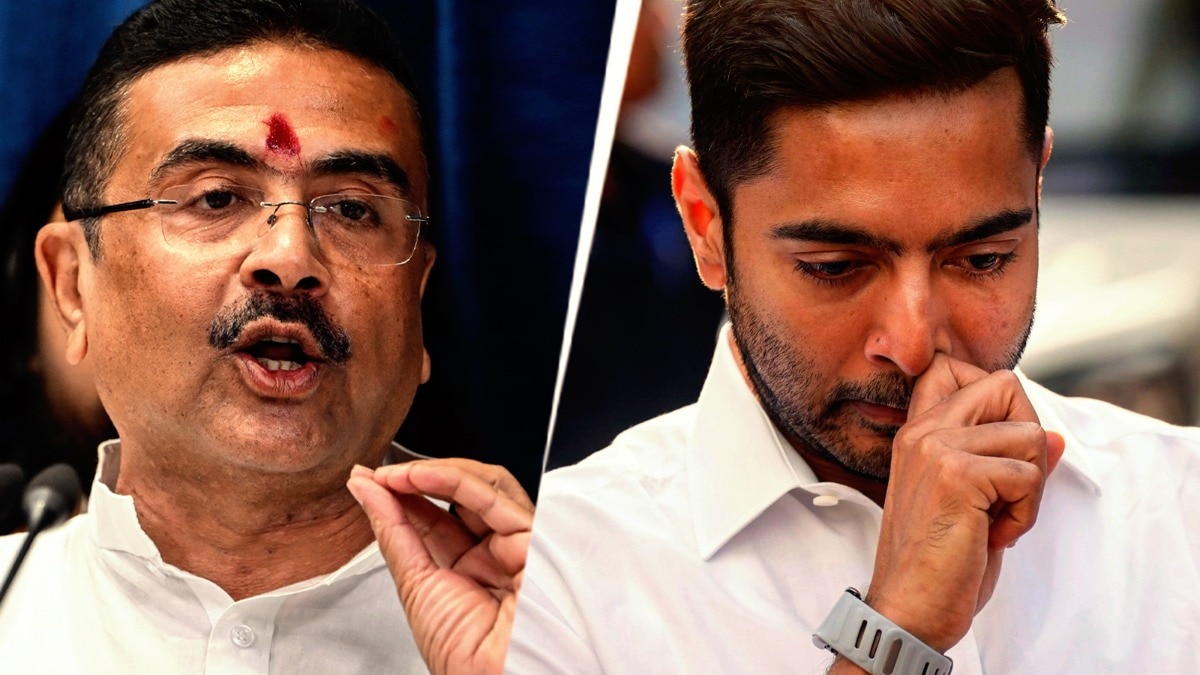
But why was it called the ‘Bhaipo tax’? In Bangla, ‘bhaipo’ means nephew. Several parties, including the BJP and the Left, have used the term to refer to Trinamool Congress MP and Mamata Banerjee’s nephew Abhishek Banerjee. In the run-up to the polls, the BJP repeatedly accused Abhishek of being involved with extortion syndicates in Bengal.
The term ‘tolabaj’ (extortionist) was used frequently by Prime Minister Narendra Modi and Amit Shah to target the “pisi-bhaipo” duo (Mamata and Abhishek). The BJP also alleged that nephew Abhishek had become the “single window” in Bengal, claiming that no work moved forward in the state without his approval or influence.
“Only Bhaipo has the right to make money, not the common man,” Amit Shah said during campaigning.
The issue was also raised by Assam Chief Minister Himanta Biswa Sarma, who claimed that truck drivers travelling between Assam and Bengal often complained about paying “Abhishek tax”.
“I often ask truck drivers why prices are increasing. People tell me that in Siliguri (entry point), they have to pay something called ‘Abhishek Tax’ on every truck,” Sarma had said.
Within days of taking charge, the BJP government has cracked the whip on extortion gangs and the so-called ‘Bhaipo tax’. Chief Minister Suvendu Adhikari has directed district magistrates to dismantle all illegal collection points along highways and prevent their return, according to a report in TOI.
The development comes at a time when the BJP government has tightened the noose around Abhishek, sending notices to 17 properties linked to the Lok Sabha MP over unauthorised construction. The party also released a list of 43 properties in Kolkata allegedly linked to Abhishek.
Over the years, border crossings and highways in Bengal became notorious for the ‘Bhaipo tax’ and ‘Danda tax’. Illegal checkpoints constructed with bamboo barricades mushroomed in several areas along the highways, especially along the Jharkhand-Assam-Bengal route. Every checkpoint was managed by syndicate strongmen and their henchmen, who were armed with sticks.
It was a nightmare for truck drivers as they had to shell out money out of their pockets. Refusing to pay was not an option. Those who argued were harassed or threatened. The harassment continued till the payment was made.
Window screens were smashed, tyres were punctured, and vehicles were damaged. It led to delays and ate into the earnings of the truck drivers.
Bengal, being a key logistics hub that connects eastern India, the Northeast, and Bangladesh, sees around 50,000 trucks pass through the state daily.
The most notorious were the highways that passed through districts such as Paschim Bardhaman and Purulia. “Every few kilometres, bamboo barricades blocked the road. Ask for a receipt, and they turn hostile. Refuse payment, and they smash mirrors or puncture tyres,” Ramesh, a truck driver, told TOI.
However, over the past week, the situation has now changed – bamboo barriers and illegal nakas dotting the highways have vanished. The syndicate gangs seem to have pulled off Houdini’s Act.
Key crossings along NH-2 and adjoining routes are now moving freely. Extortion checkpoints are nowhere to be seen.
“Two types of unofficial levies were common in Bengal… Bhaipo tax has vanished. We want the danda tax wiped out completely too,” Sajal Ghosh, general secretary of the Federation of Truck Operators Association in Bengal, told TOI.
The crackdown on ‘Bhaipo tax’ is among the slew of moves undertaken by the Suvendu government, which has reversed and overhauled several of the TMC regime’s schemes. These include fast-tracking border land transfers to the BSF, doing away with religion-based schemes and scrapping the state’s OBC list.
Source: India Today